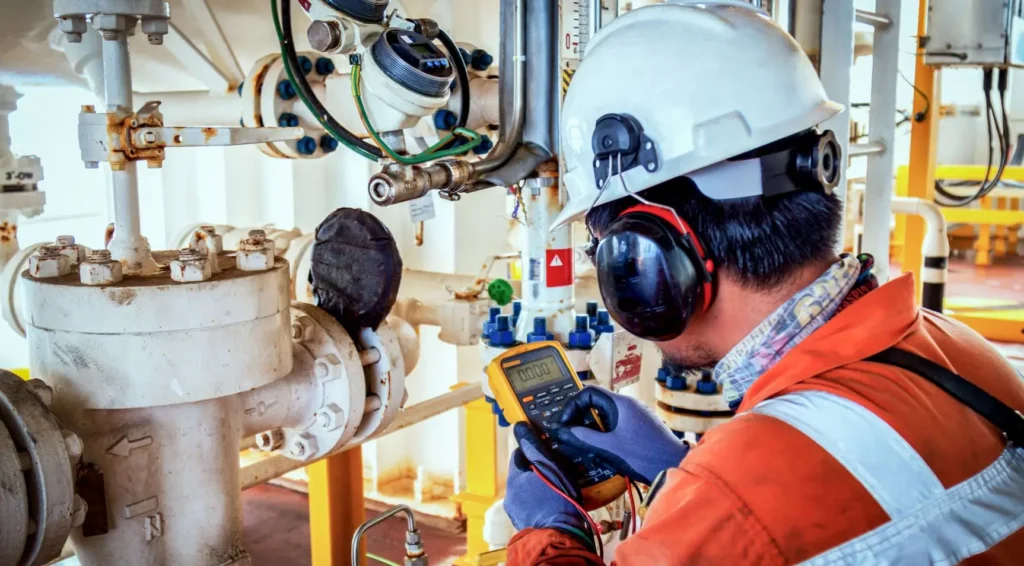
Marine safety and compliance have become increasingly important as global maritime operations continue to expand. With stricter regulations, advancing technologies, and a growing focus on environmental protection, the shipping industry is rapidly evolving. To stay ahead, ship owners, operators, and suppliers must understand the latest trends shaping the future of marine safety.
1. Smart Safety Technology & Digital Monitoring
Digital transformation is revolutionizing marine safety. Ships are increasingly adopting AI-powered monitoring systems, IoT sensors, and real-time diagnostics to reduce human error and ensure vessel integrity.
Modern systems track:
- Fire detection and suppression readiness
- Engine performance and fuel safety
- Crew movement and onboard hazards
This technology allows ship operators to identify risks early and take corrective action before issues escalate.
2. Stricter Global Compliance Regulations
Organizations like IMO, SOLAS, and MARPOL continue to tighten safety and environmental standards. From enhanced fire-fighting systems to stricter emissions control, compliance is becoming non-negotiable.
Recent regulatory focus areas include:
- Life-saving equipment upgrades
- Emergency preparedness documentation
- Pollution prevention and carbon-reduction measures
Staying compliant not only avoids penalties but also protects vessel operations and crew welfare.
3. Eco-Friendly Safety Solutions
Sustainability is now directly connected to marine safety. More vessels are shifting toward green safety solutions, such as:
- Low-emission fire extinguishing systems
- Eco-friendly cleaning chemicals
- Energy-efficient equipment
These solutions help reduce environmental impact while maintaining safety standards.
4. Enhanced Crew Training & Simulation
Human error is still one of the biggest contributors to maritime accidents. To counter this, shipping companies are investing heavily in:
- VR-based safety training
- Emergency simulation drills
- Digital learning platforms
- Competency management systems
Better training ensures crews are prepared to face real-life emergencies with confidence.
5. Integrated Safety Management Systems (ISMS)
Companies are moving toward fully integrated safety management systems, combining all safety elements into one digital platform.
An ISMS helps streamline:
- Safety audits
- Equipment inspections
- Compliance checks
- Emergency procedures
This creates a safer and more organized operational environment.
Conclusion
The marine industry is on a path toward smarter, safer, and more sustainable operations. By embracing new technologies, strengthening compliance, and prioritizing crew training, companies can significantly enhance onboard safety and reduce potential risks.
For marine businesses, staying updated with these trends is no longer optional—it is essential for long-term success and global competitiveness.